Rêverie -
Rêverie -
The rêverie Series
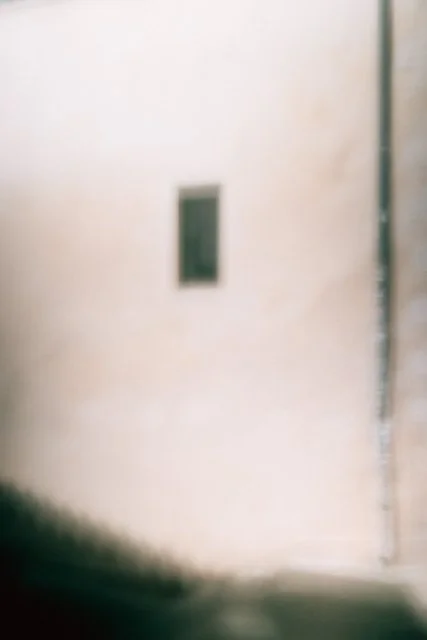
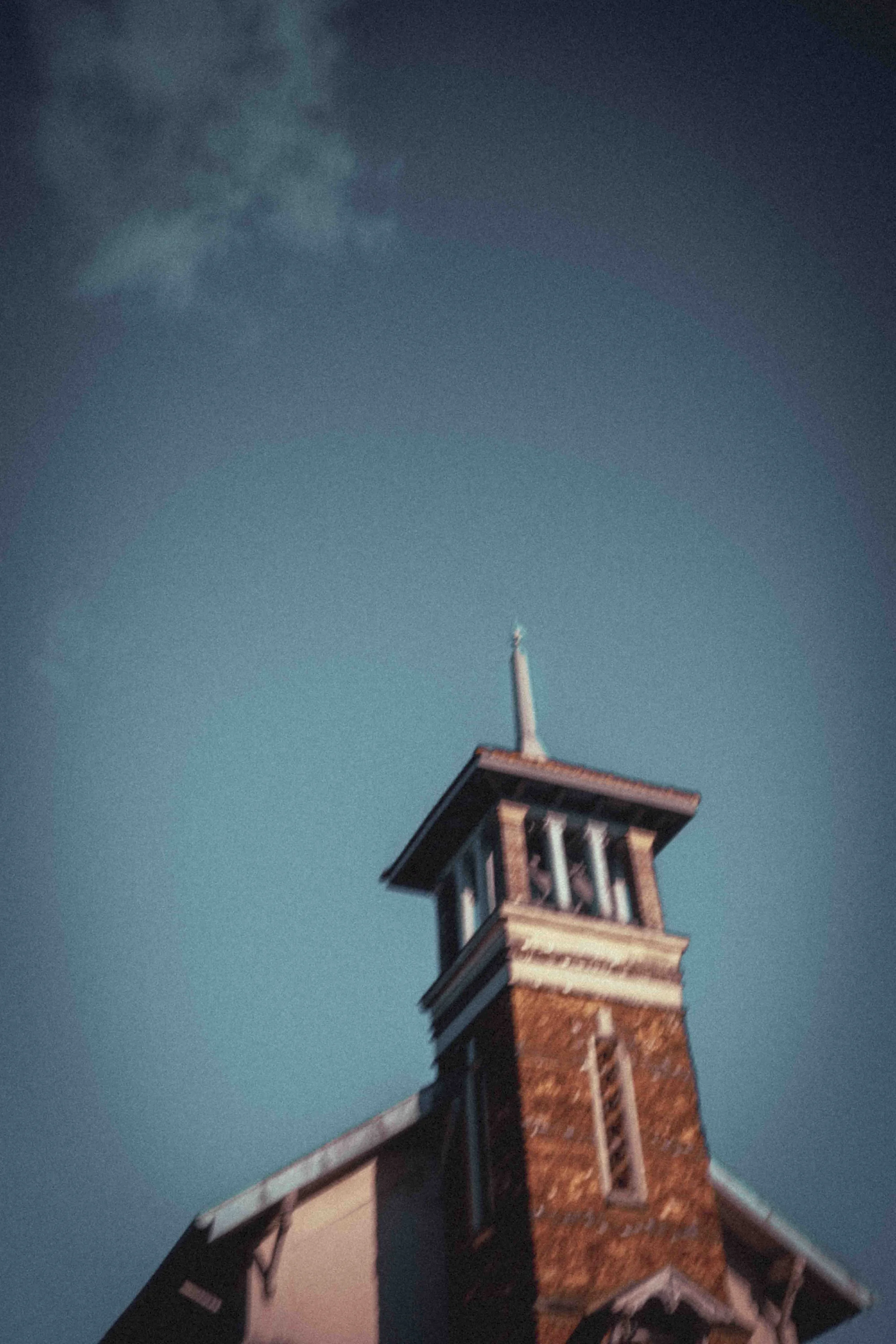
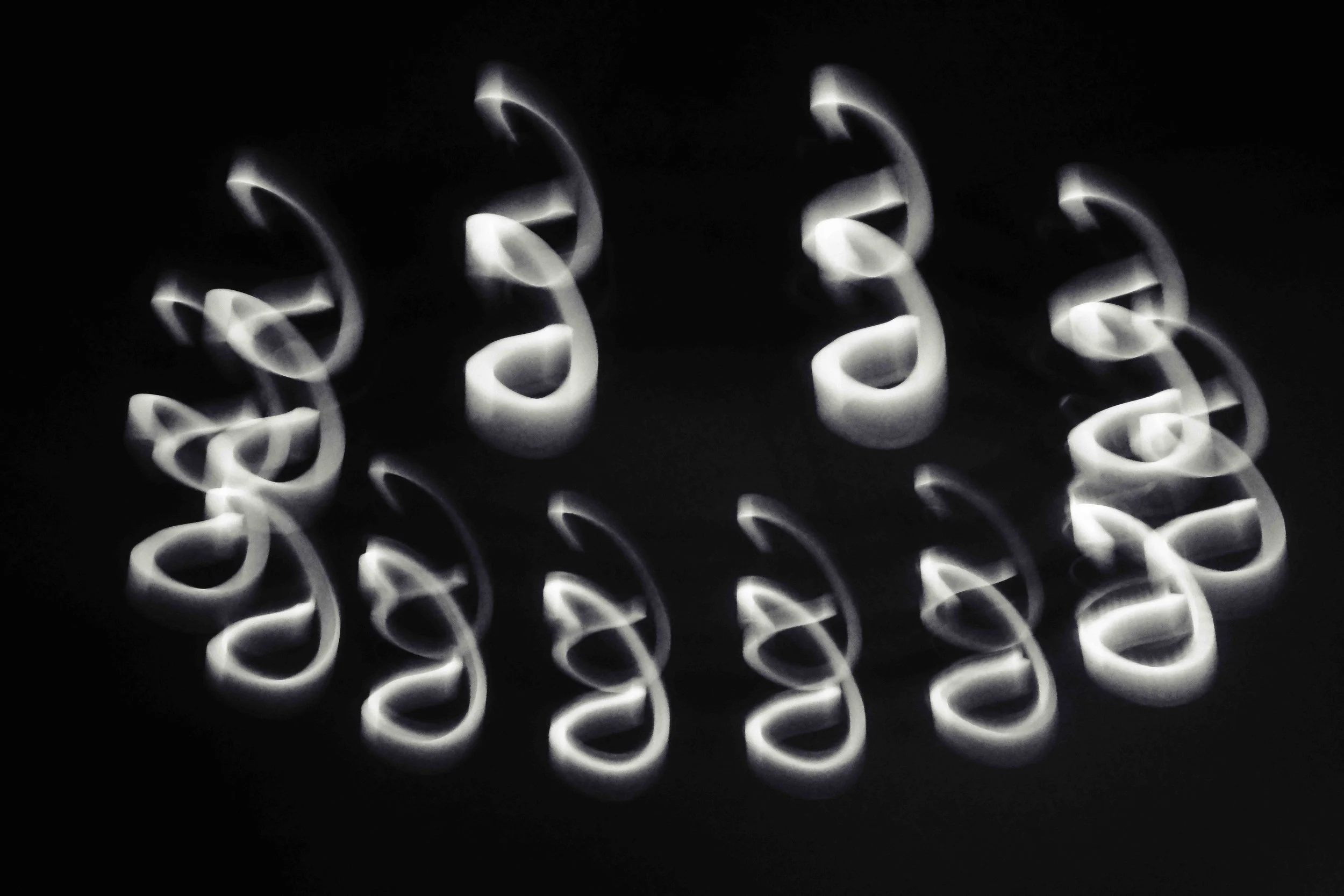
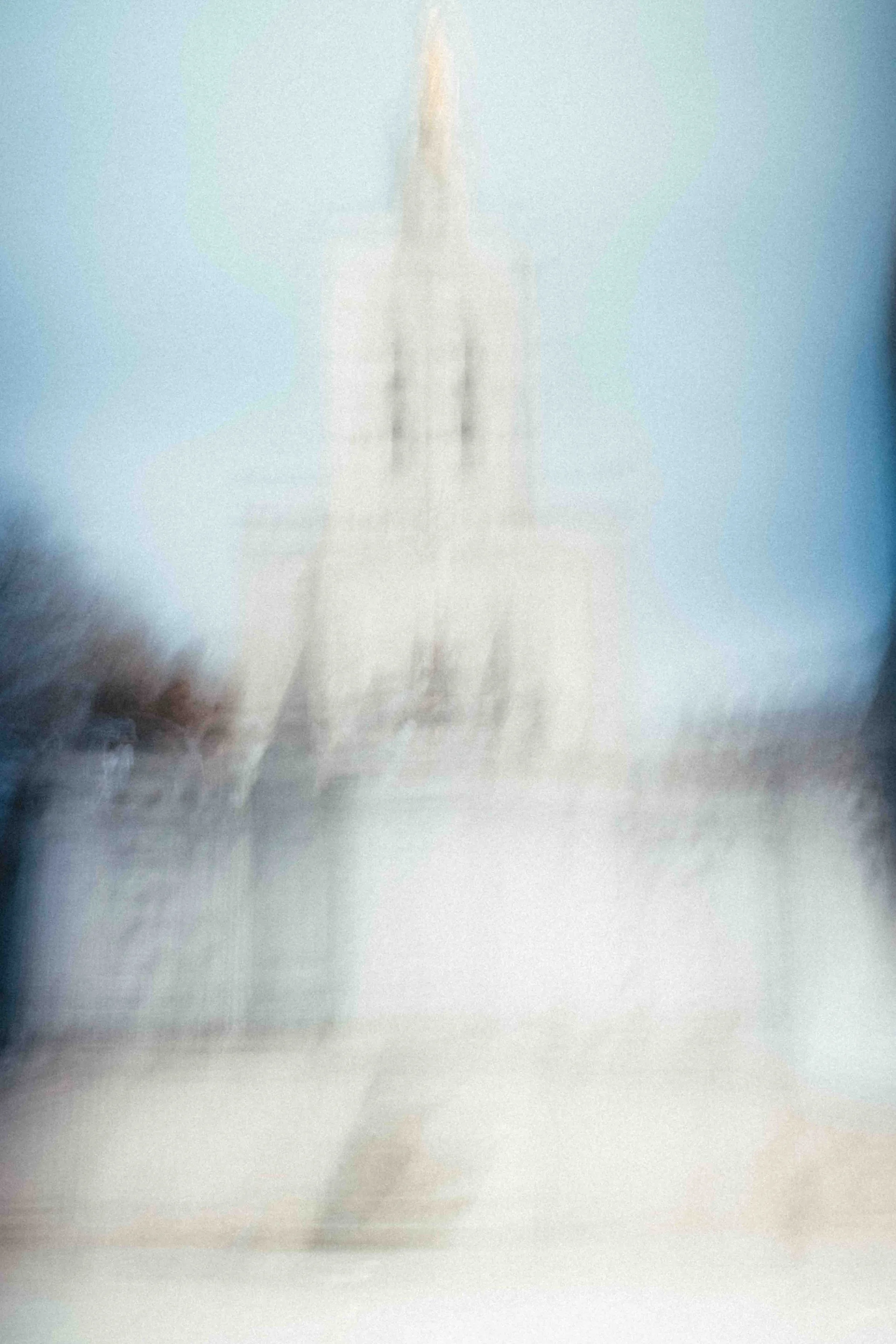
This series examines the relationship between photographic representation, memory, and emotional perception. It originates from a dissatisfaction with the conventional expectation that photography should produce precise, detail-driven records of reality.
While technically perfect images can document a scene with accuracy, they often fail to preserve the emotional experience that accompanied the moment of capture. They allow us to document a place but not the sensation of being there.
The tension between visual clarity and emotional truth became the conceptual starting point for this work.
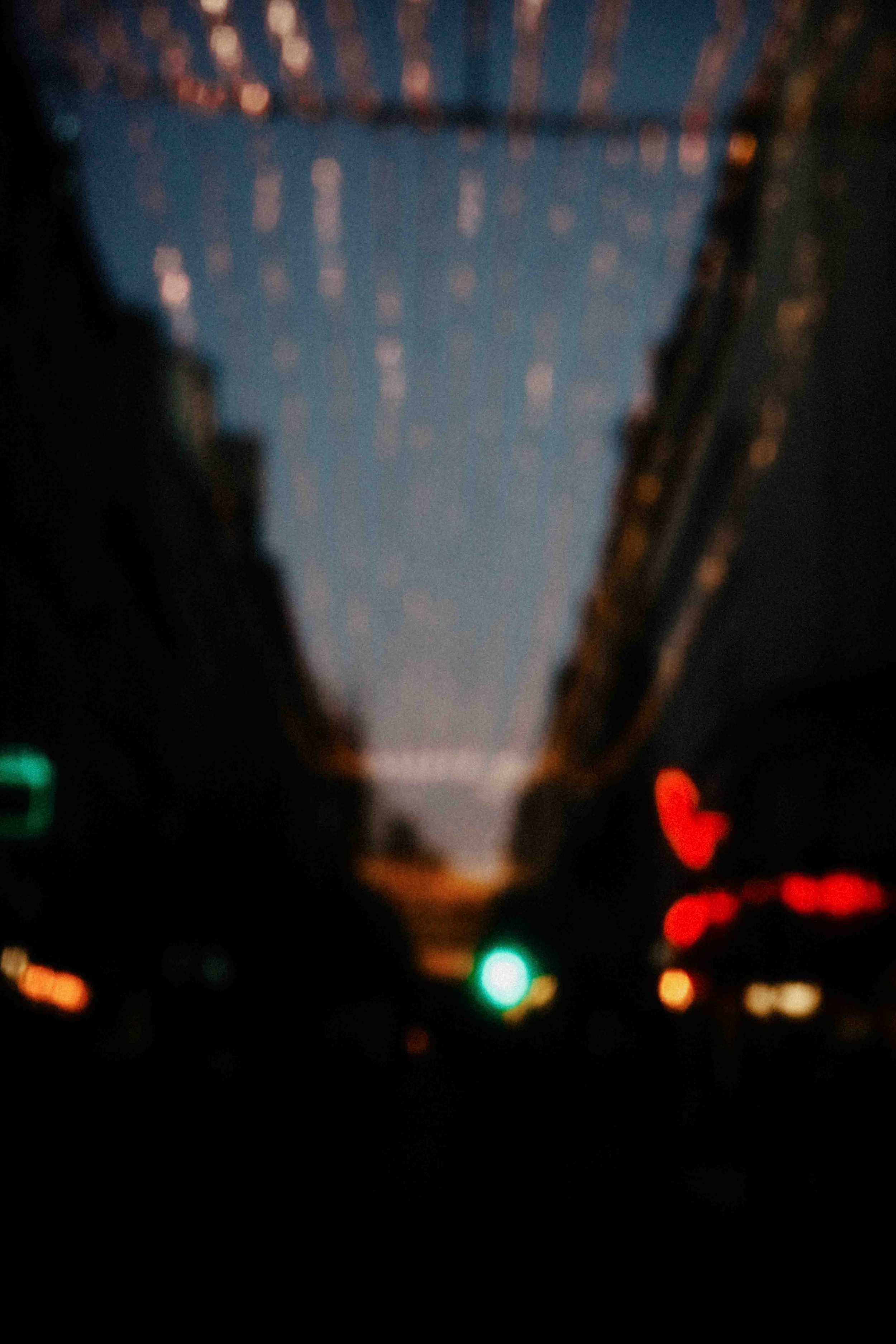
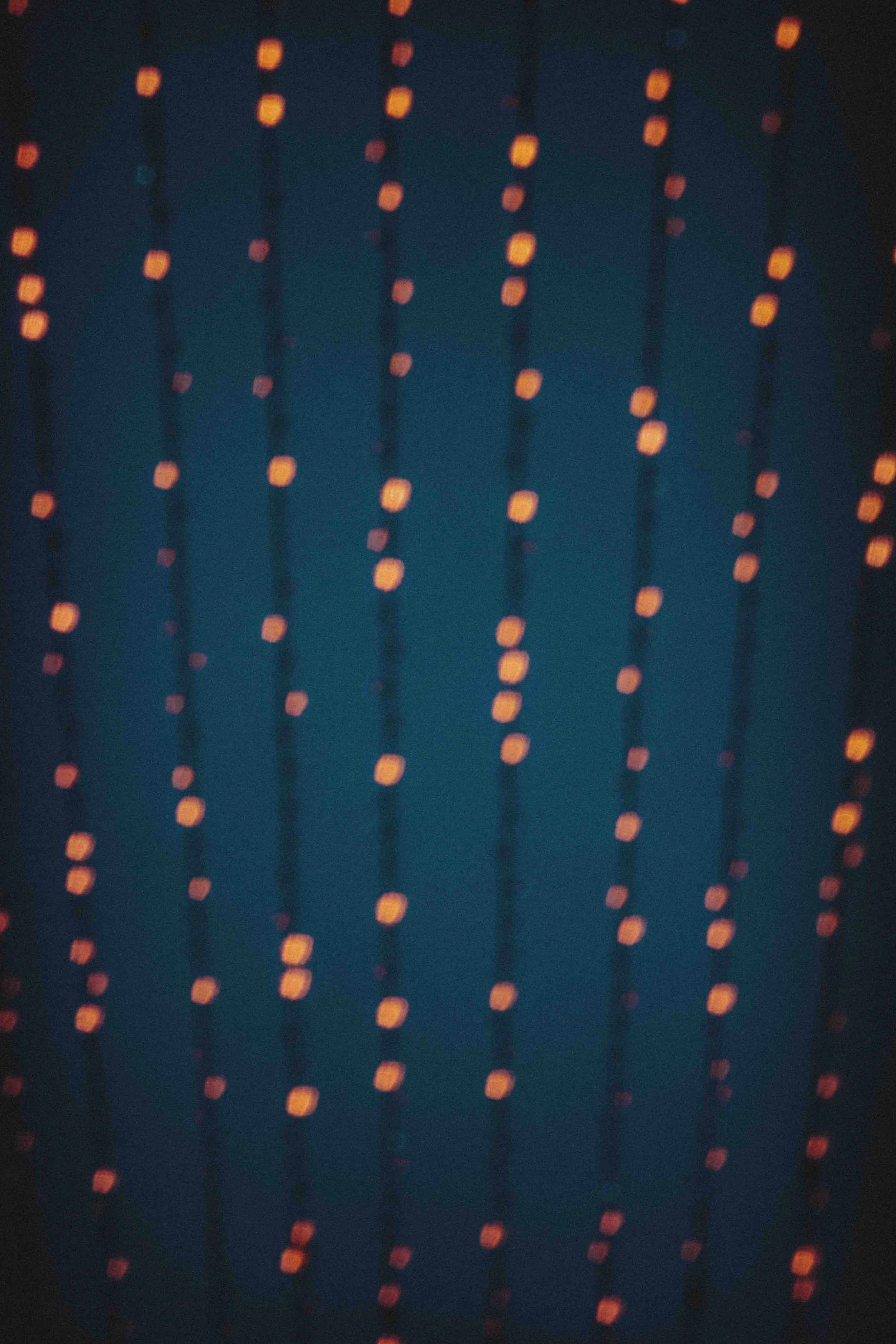
Through this process, the world reduced itself to its most essential forms. I wanted to create images that recorded emotion rather than location, and to do so I had to work against the instinct to capture detail.
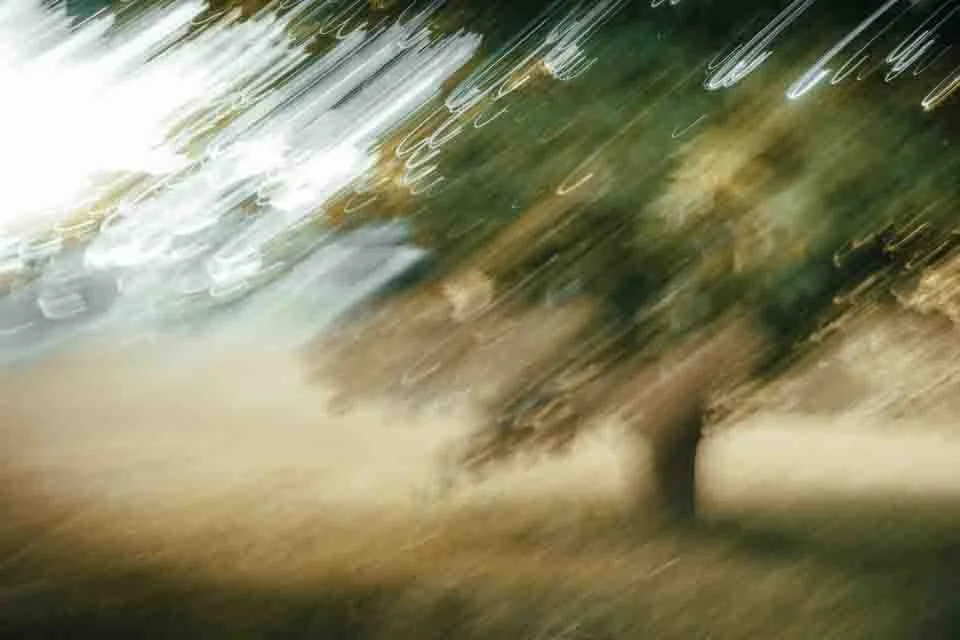
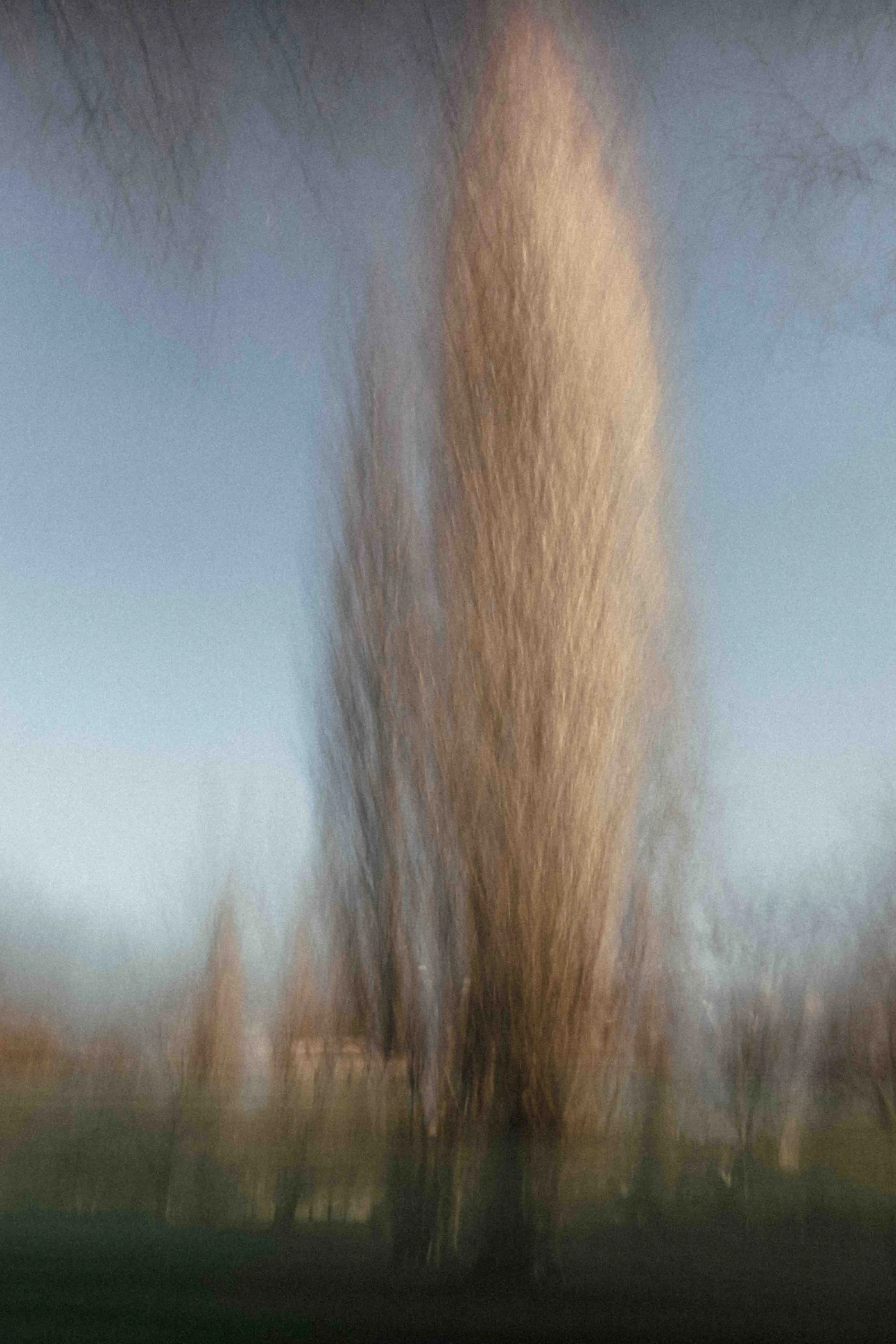
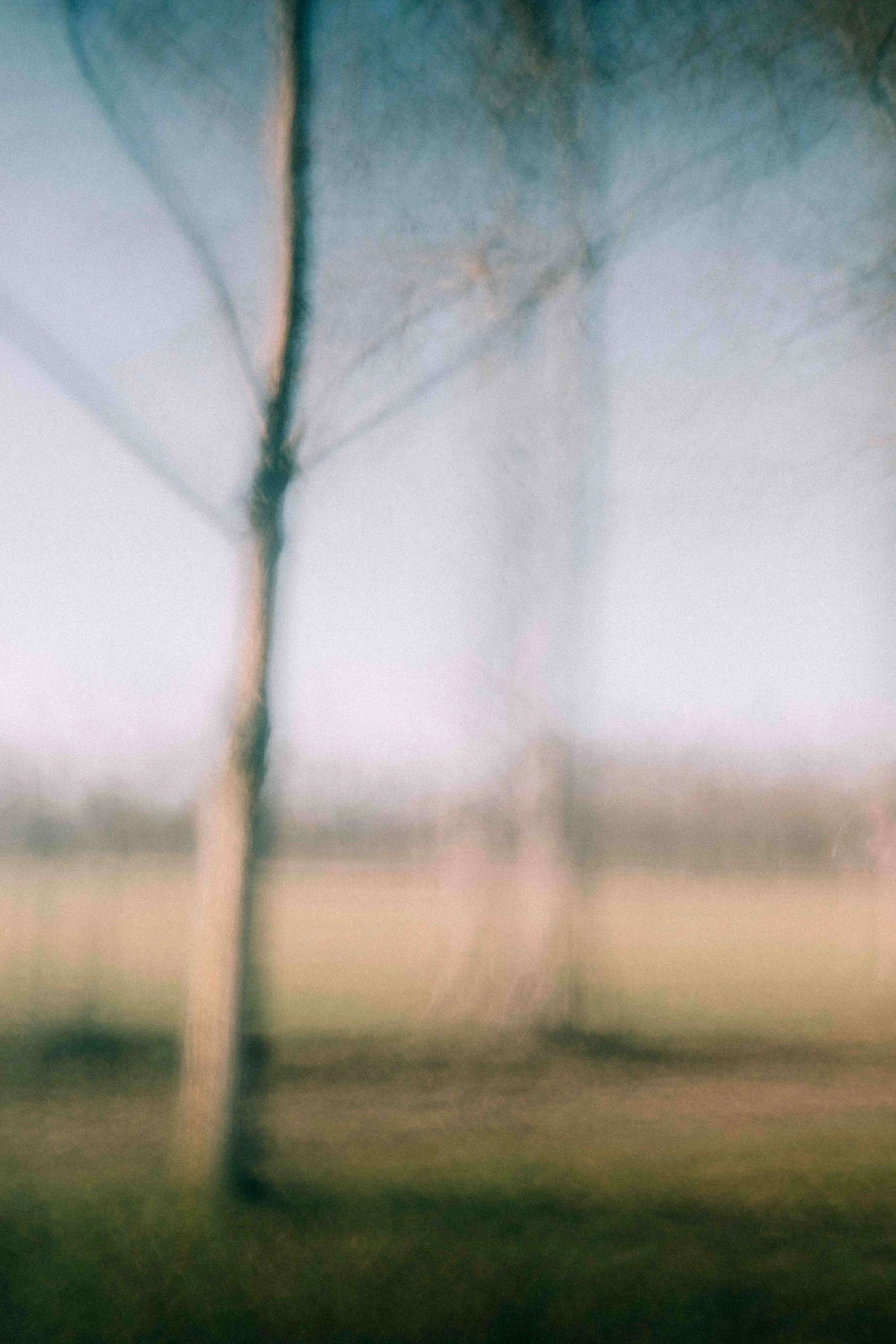
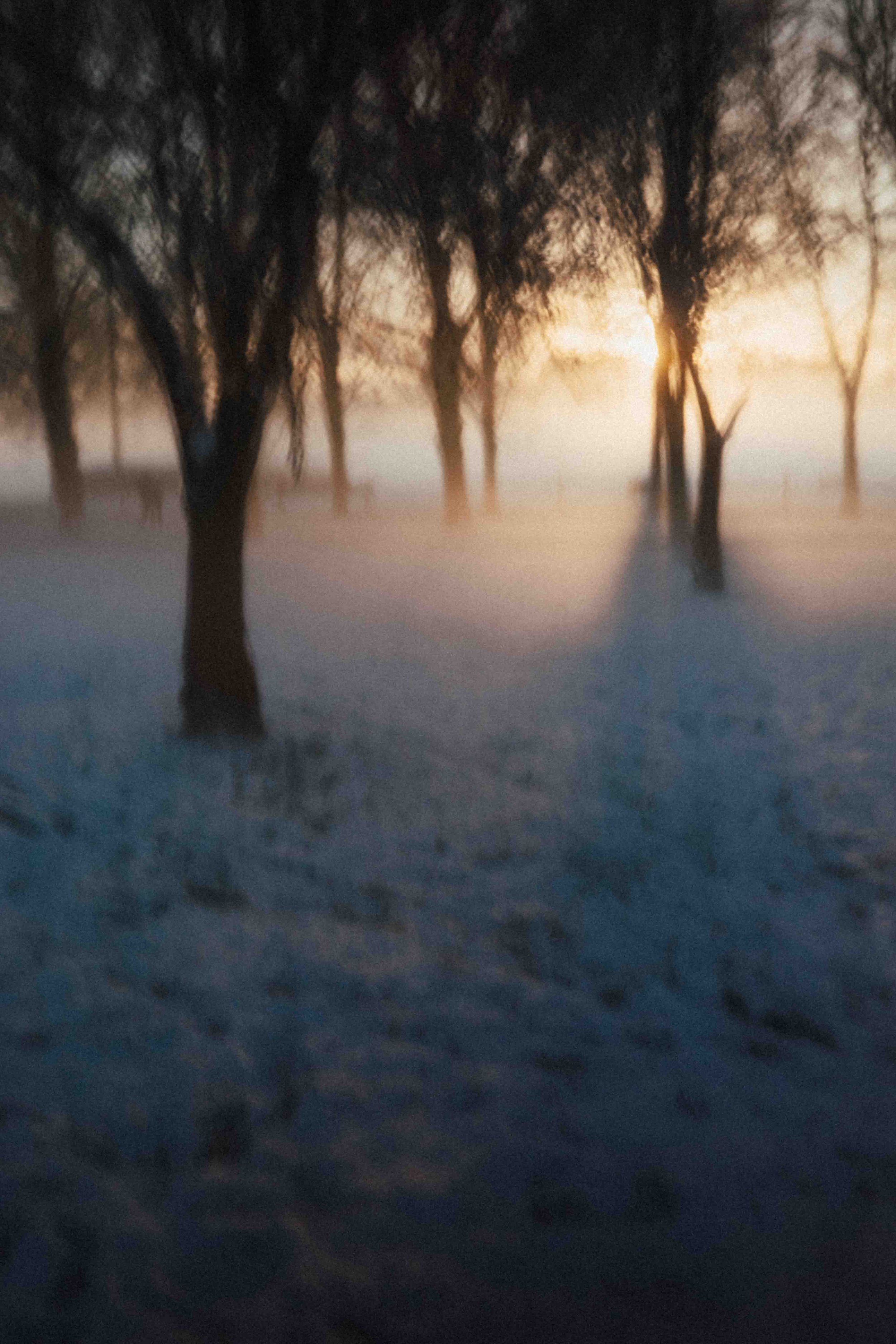
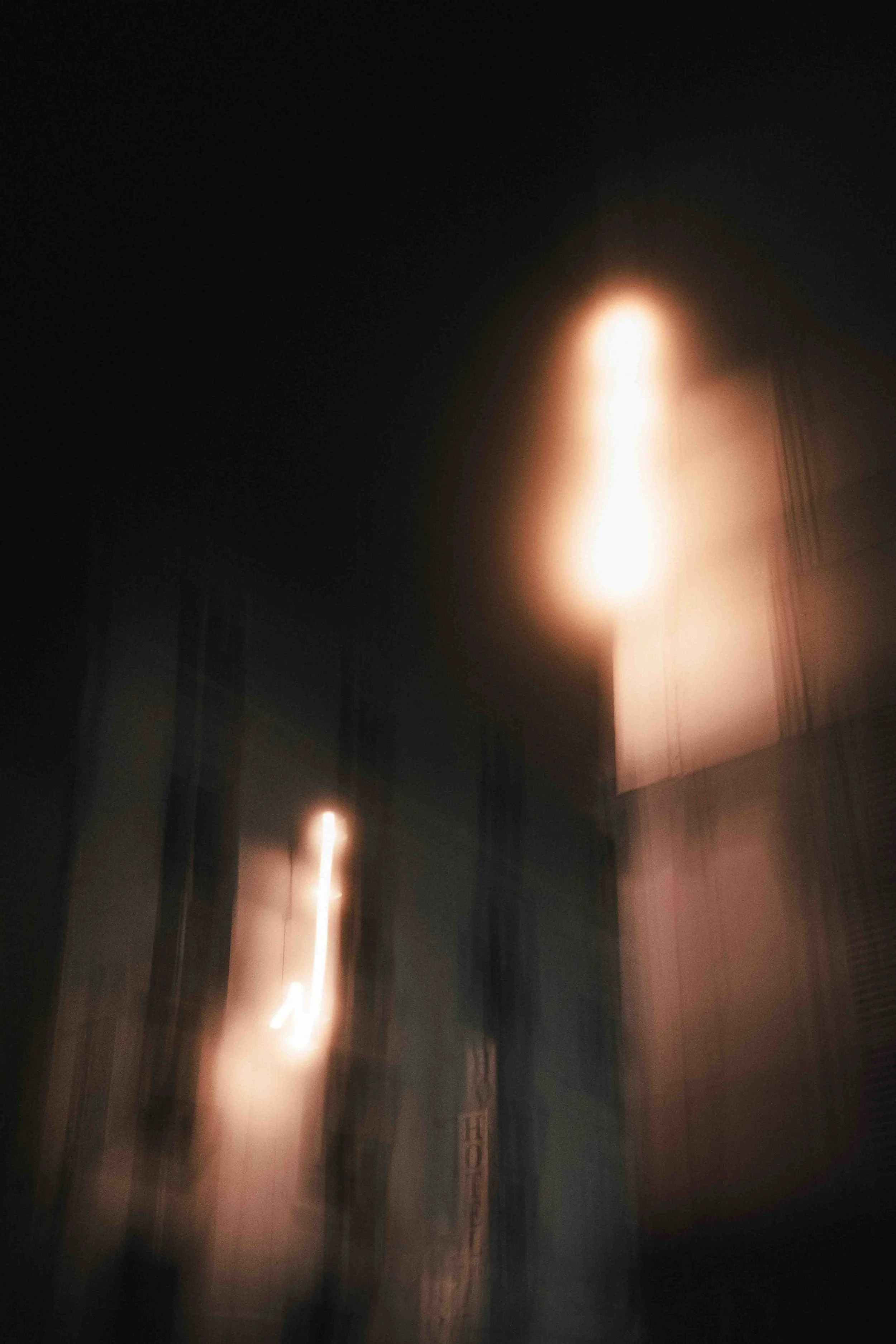
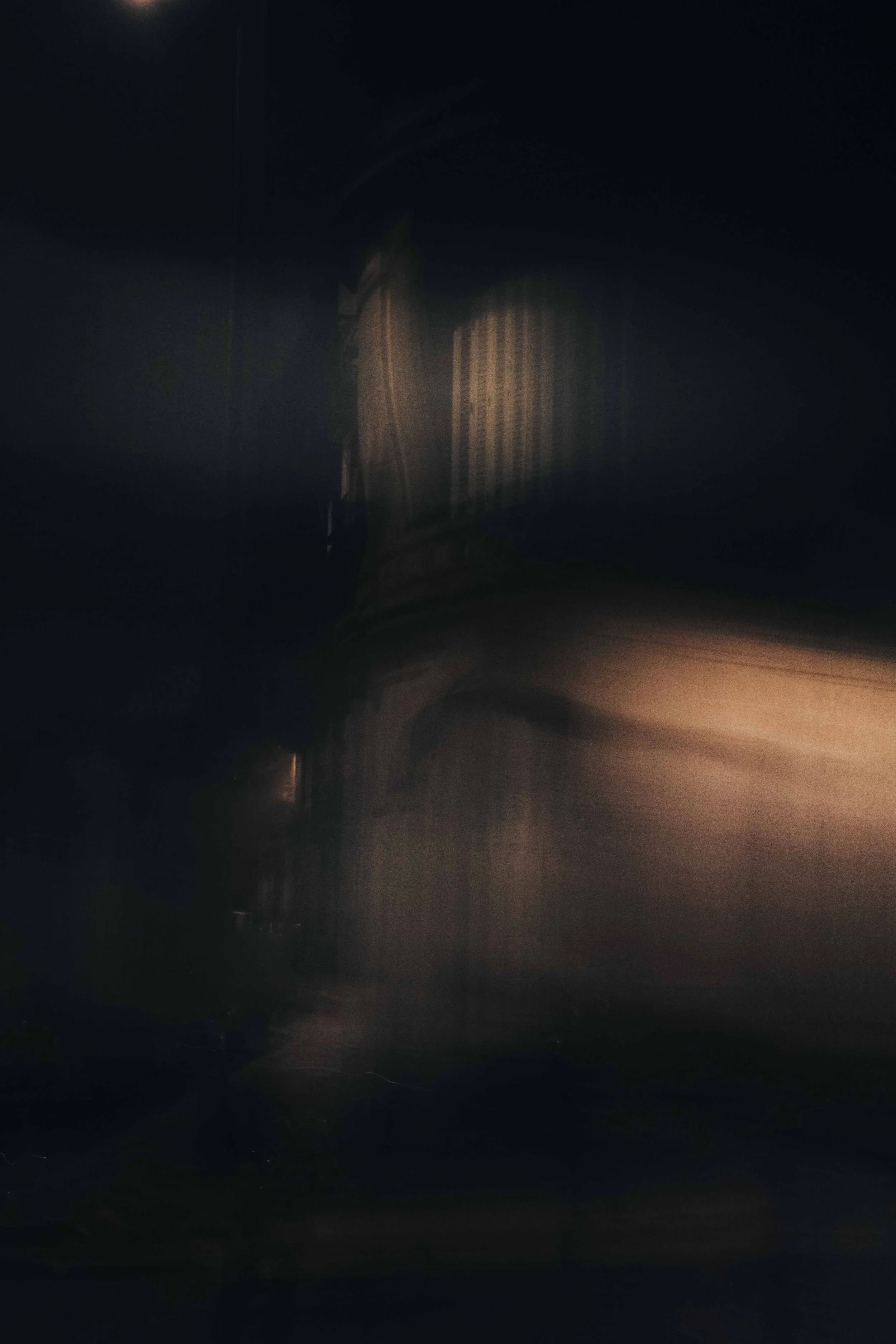
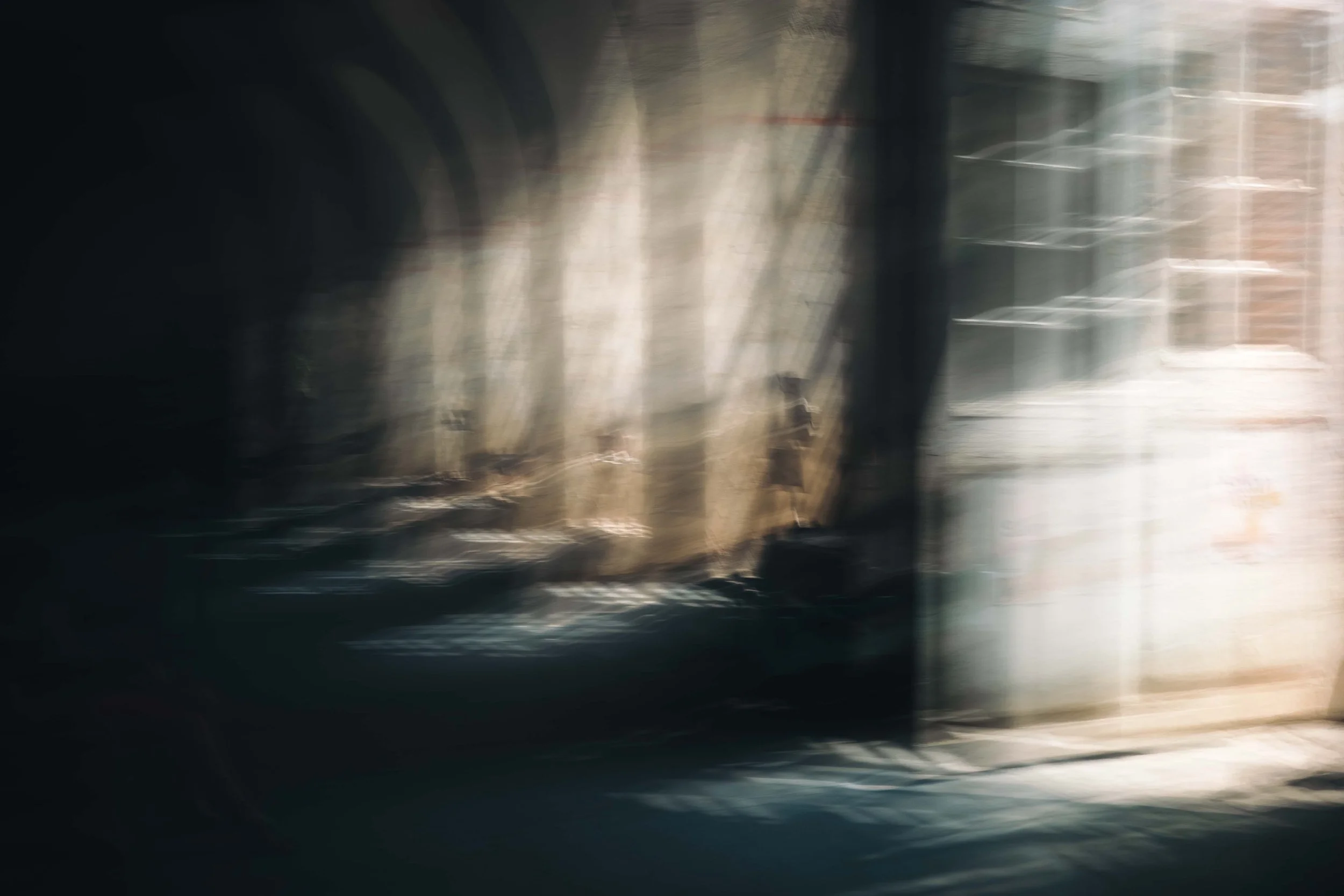
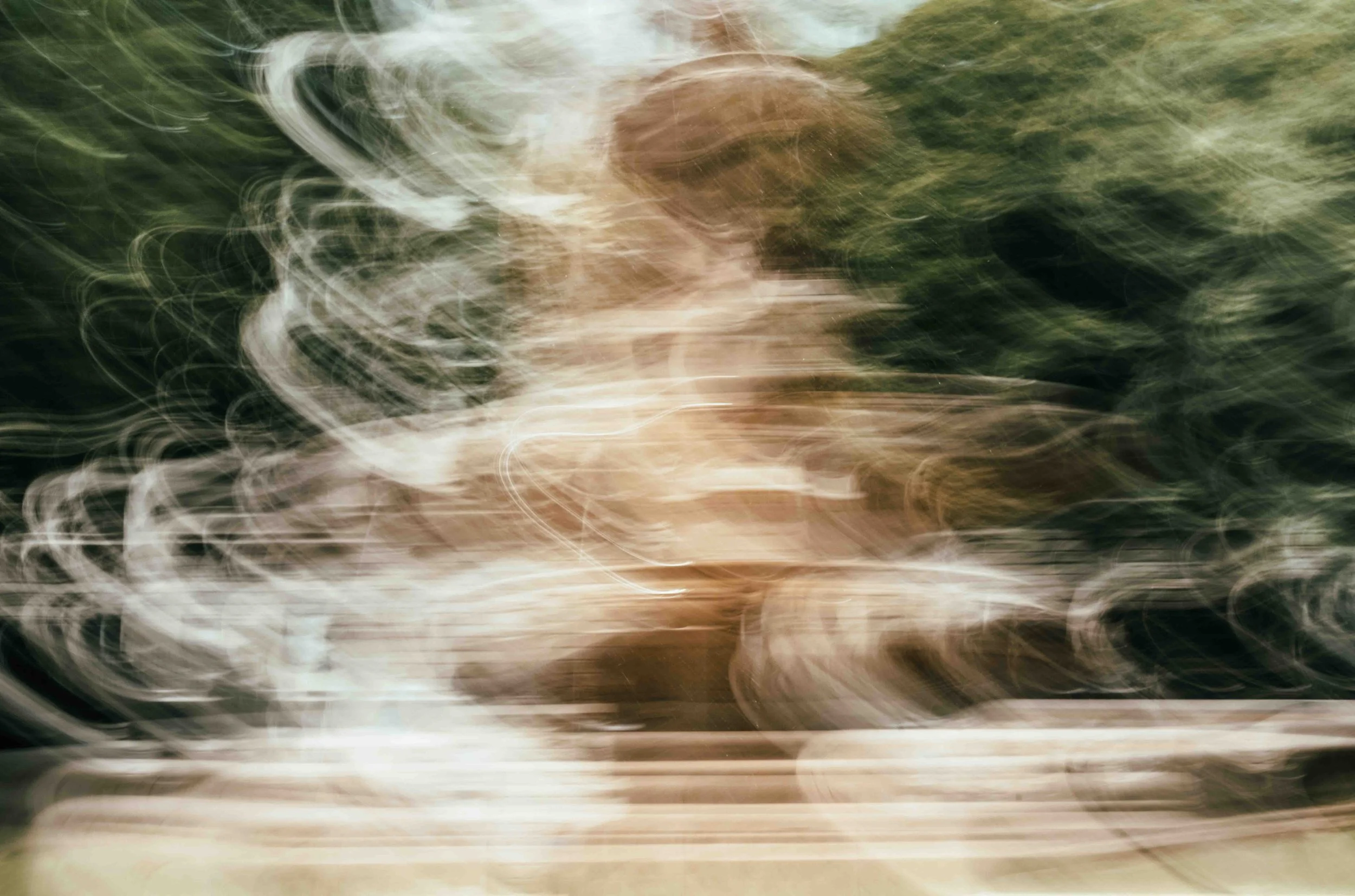
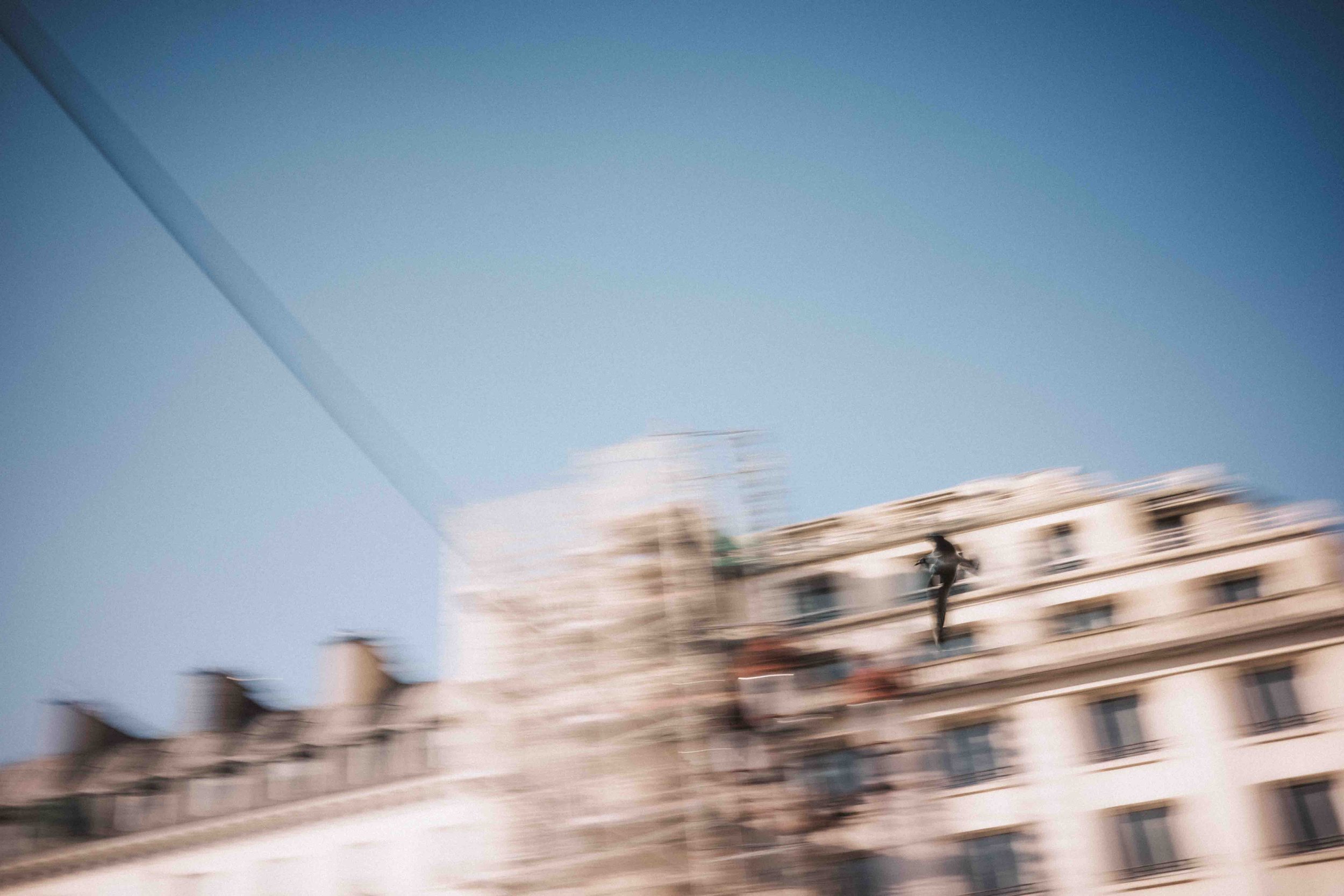
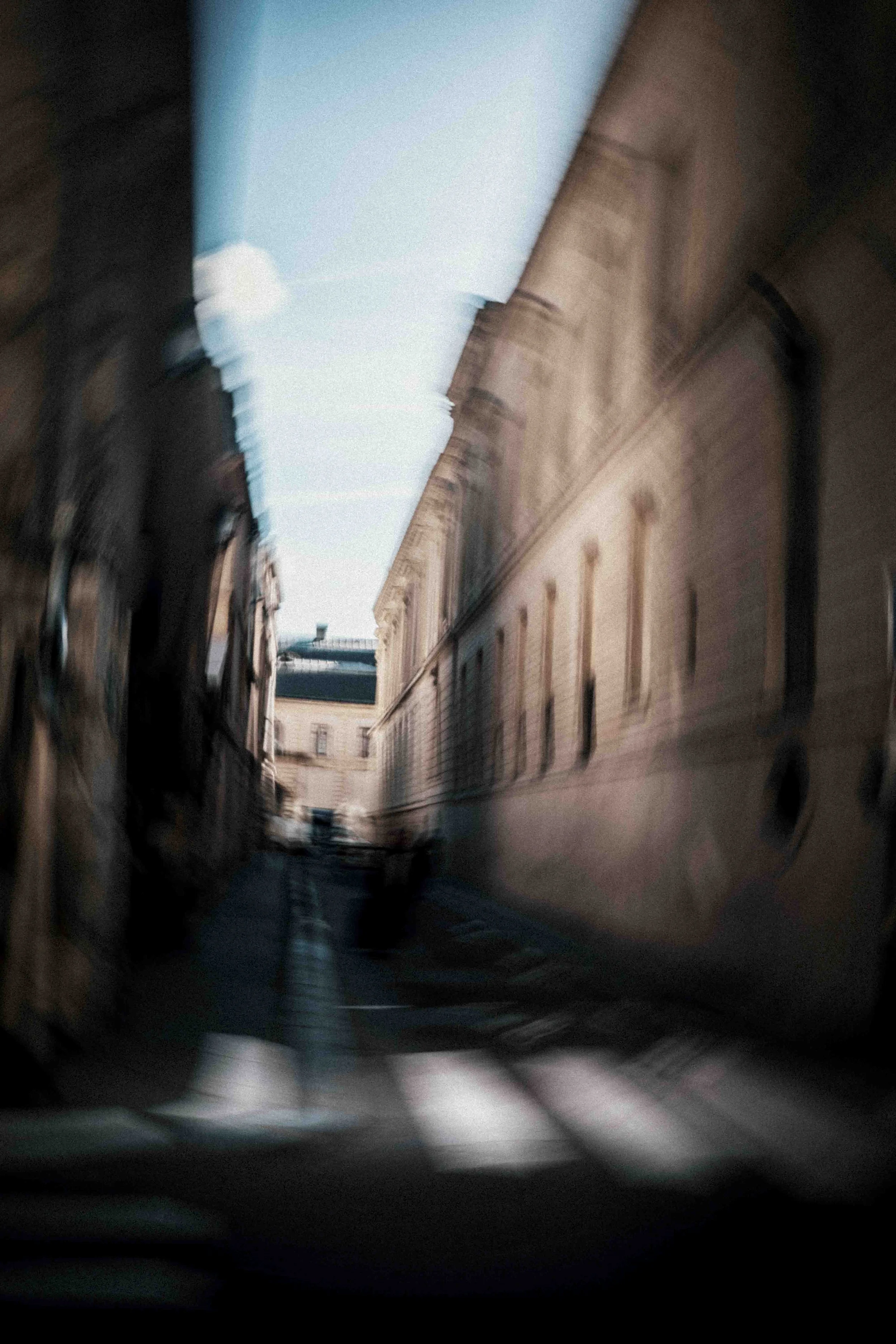
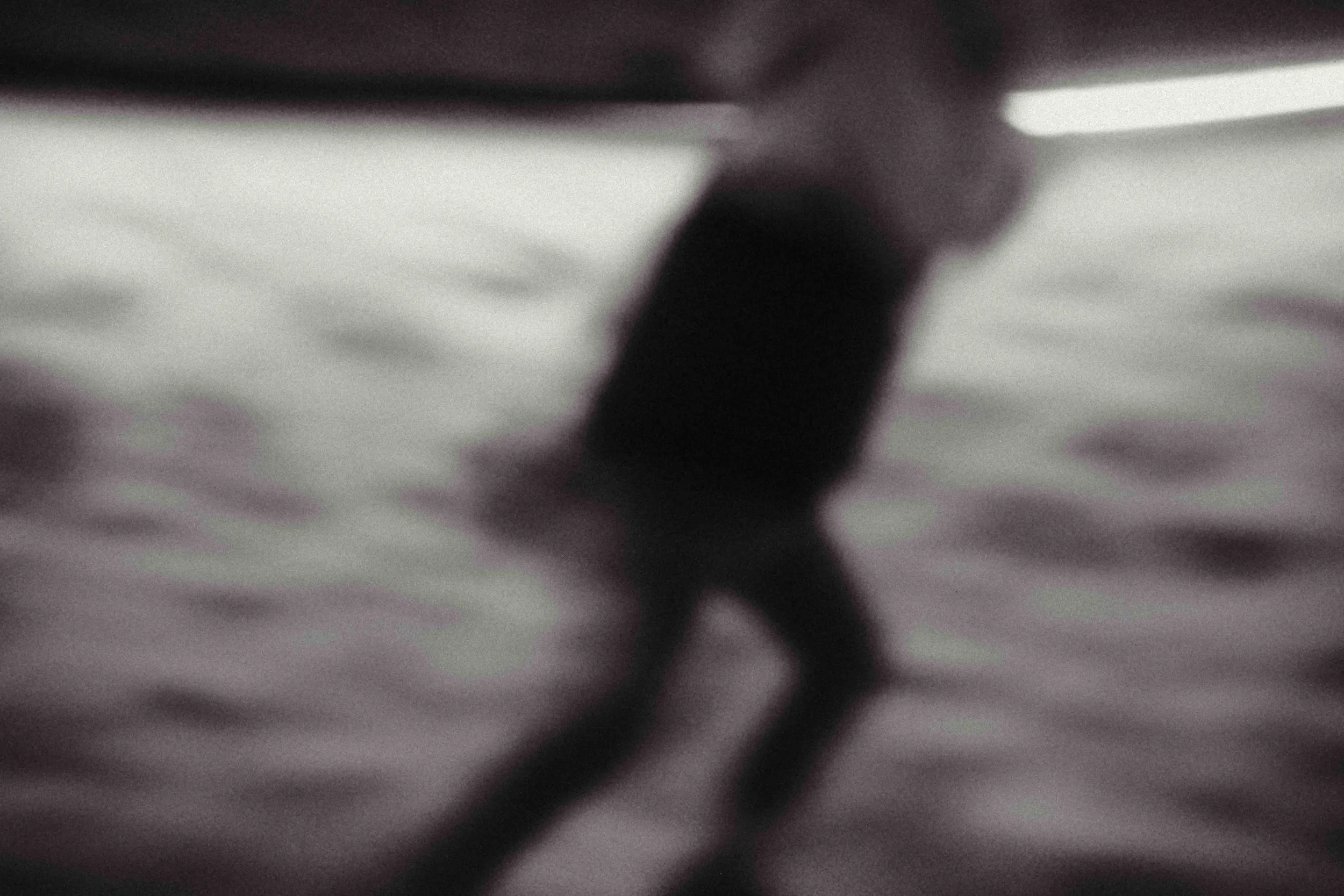
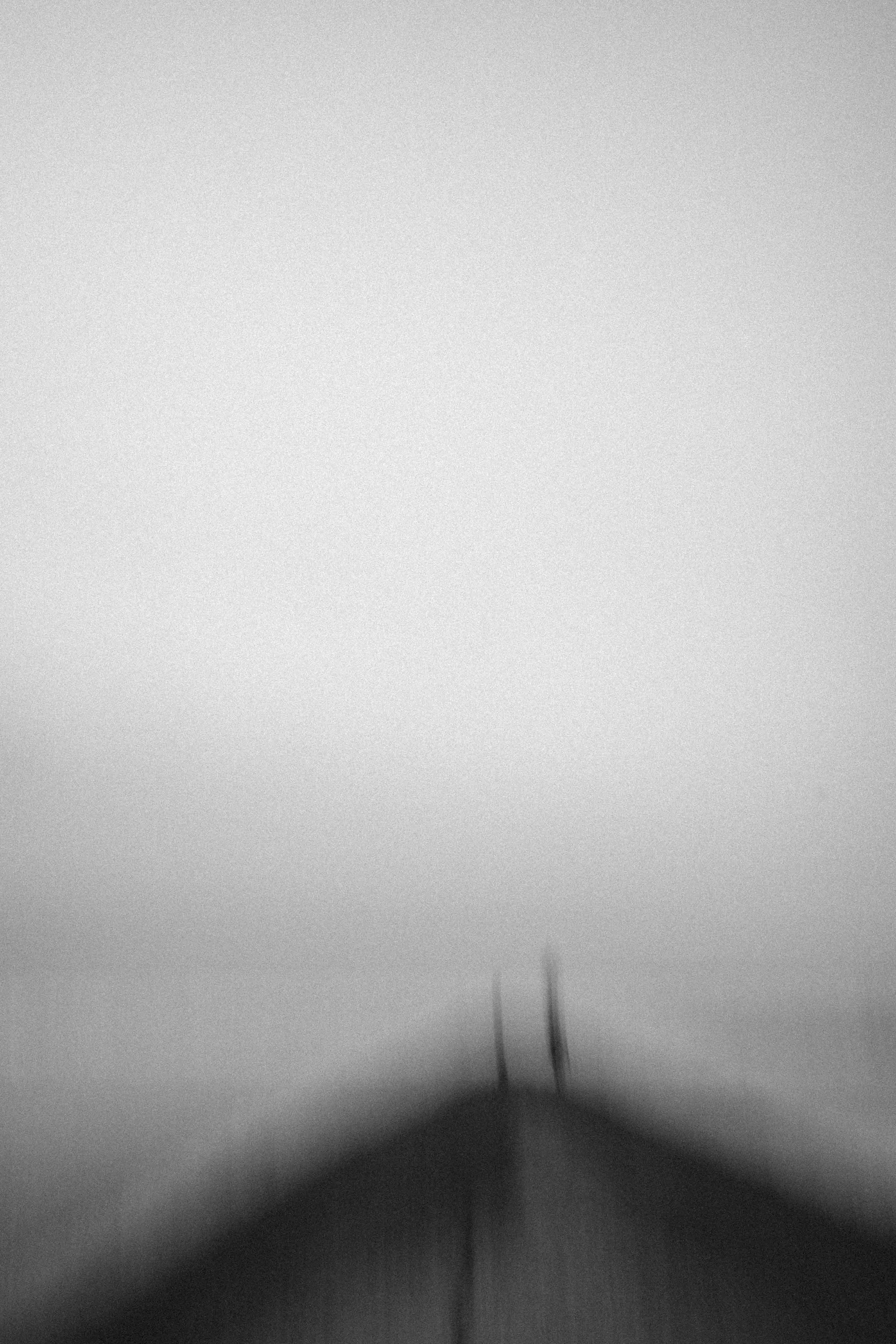
I turned to long exposures and intentional movement - techniques that allowed the camera to register only what truly imprinted itself on my perception.
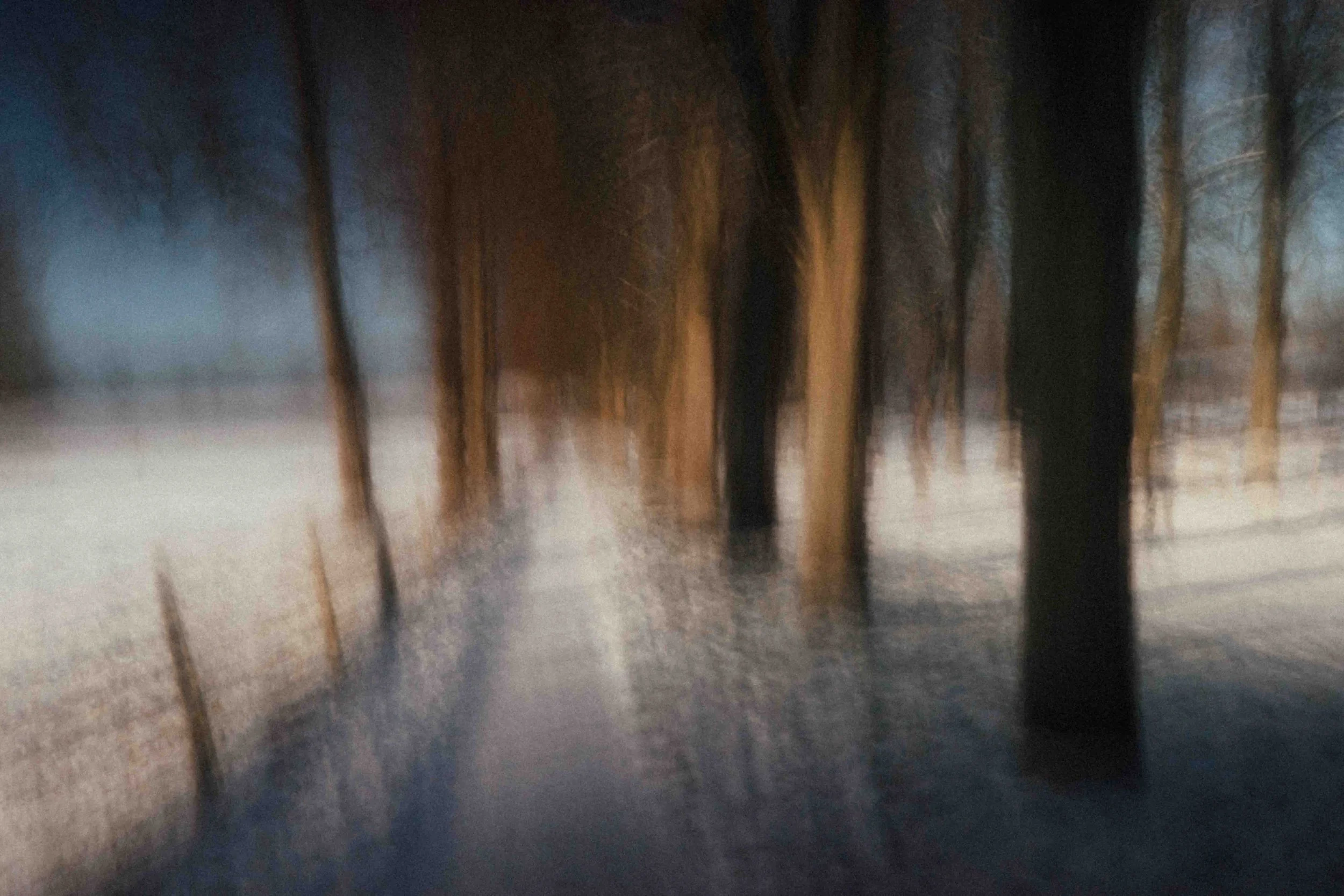
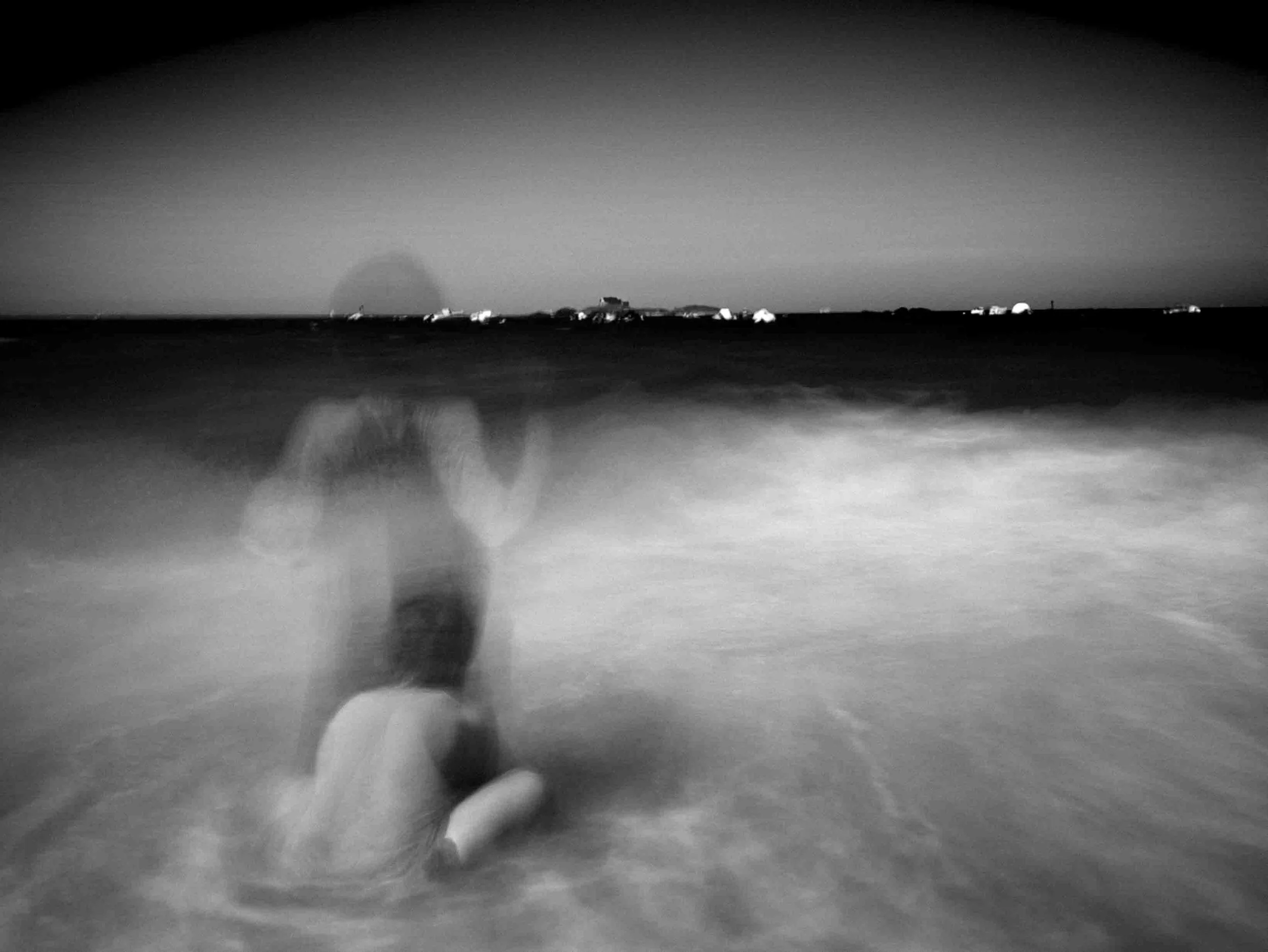
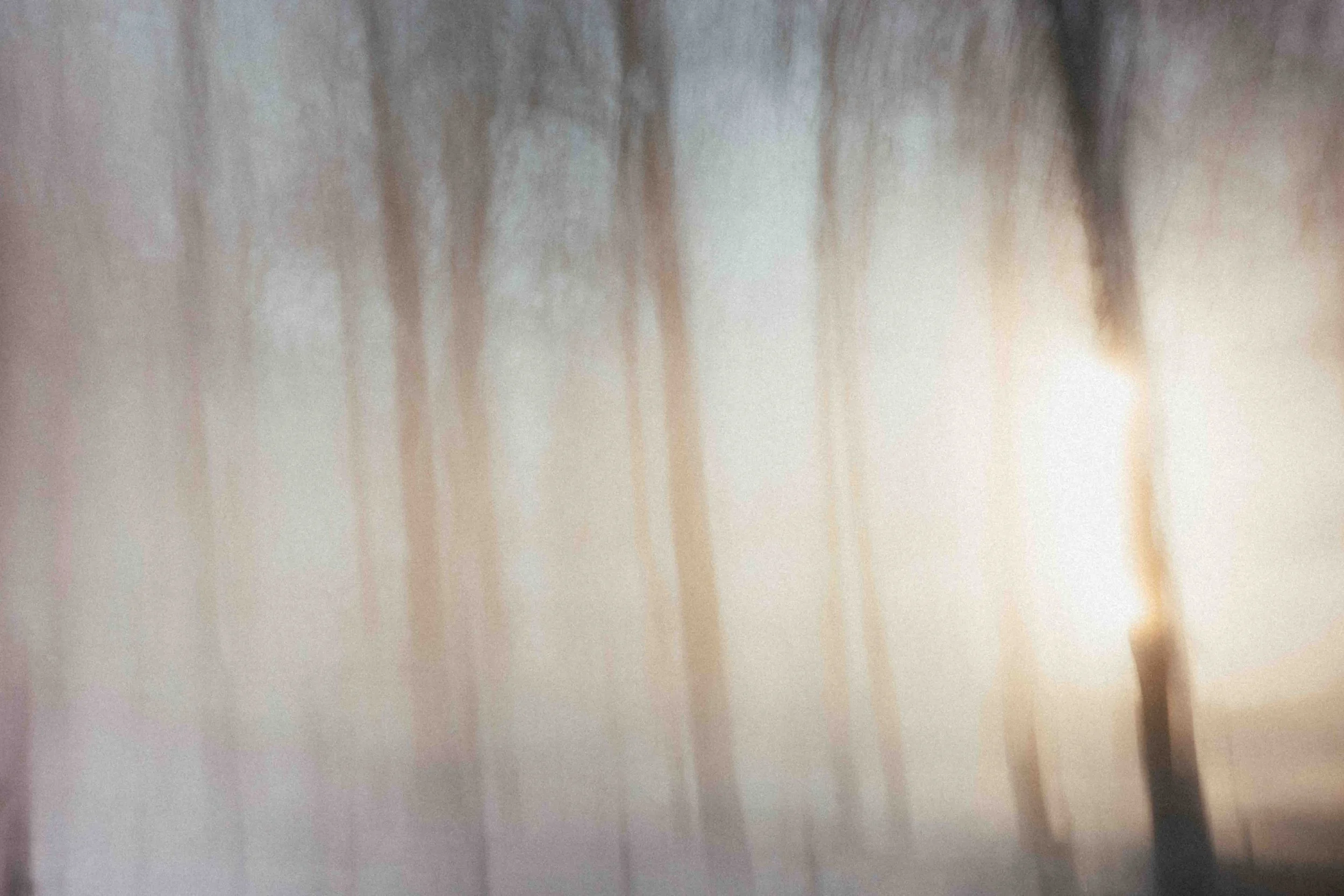
By removing what was literal, the images move closer to what was felt: the lightness of the sun shining through the canope, the energy of a racing childhood, the fleeting warmth of a moment already slipping into memory.
Concrete structures dissolve into shifting fields of contrast. Street corners become sweeps of tone and colour. Human presence appears as a gesture, a suggestion, a movement rather than a face.
And because the details have fallen away, something unexpected happens: the photographs open themselves to others. A softened silhouette becomes a stranger from someone else’s past. A streak of colour becomes a road the viewer once walked. The faint suggestion of a child’s movement becomes the echo of another childhood entirely.
Each person enters the image through their own history, and the photograph becomes a meeting point between memory and imagination — a place where different lives touch without ever having been in the same place.
In this way, the images resist belonging only to me. They shift and breathe as they encounter new viewers. They no longer insist on the specificity of the street where they were made, or the hour, or the weather.
They exist instead as emotional mirrors — surfaces that reflect what each person carries within them.